
Freeman's sanctuary: a billionaire's unexpected fight for bees
Forget yachts and private jets. Morgan Freeman, the actor known for his gravitas and voiceover work, is waging a surprisingly vital battle—one that involves more than 40 beehives and a fervent dedication to reversing the alarming decline of bee populations.
A crisis beyond honey production
The phenomenon known as Colony Collapse Disorder (CCD), first identified in 2007, has been quietly decimating bee populations worldwide, particularly in Europe since 1998. While the loss of honey production is a concern, the broader environmental implications are far more significant. Bees are responsible for pollinating nearly 90 different crops—from apples to avocados—and a 90% reduction in their populations could devastate global food supplies. The scale of the threat is rarely conveyed with the quiet urgency it deserves.
From ranch to bee haven
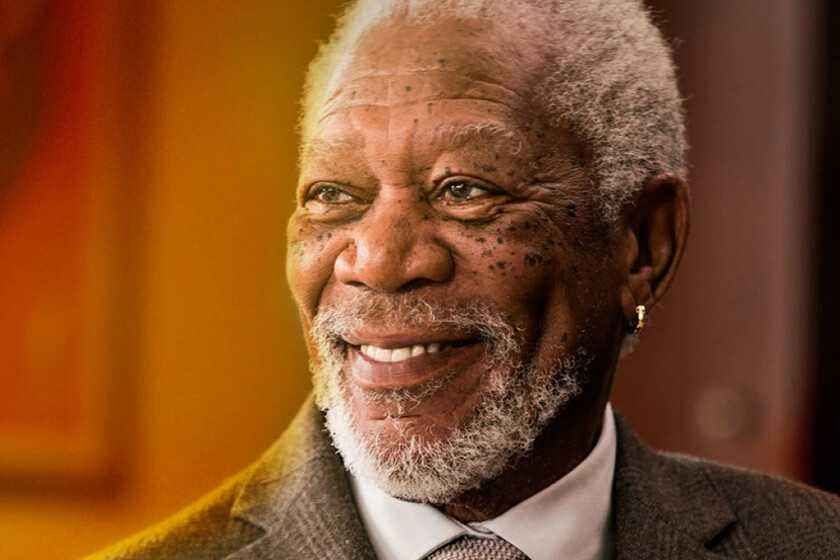
Freeman, deeply concerned by these warnings, transformed his 50-acre ranch into a sanctuary. He began by importing 26 beehives, strategically placing them amongst a vibrant landscape of flowering plants and fruit trees specifically chosen to attract and nurture bees. The project has since expanded to over 40 hives, creating an Environment designed for optimal bee health and reproduction.
What's remarkable is Freeman’s disinterest in harvesting the honey. He’s not pursuing a side hustle in apiculture; his sole objective is to provide a safe haven where bees can thrive and repopulate, far removed from the pesticides and habitat destruction that plague their natural environments. This commitment distinguishes him from many of his billionaire peers, who often turn to grand gestures for publicity rather than genuine conservation.
The conventional wisdom suggests that extracting honey doesn't harm bee colonies, but the reality is more nuanced. Harvesting the honey removes the bees' vital winter stores, leaving them vulnerable, especially in less-than-ideal conditions. Freeman’s approach flips this model on its head: prioritizing the bees’ needs above any potential human benefit.
While Norway’s embrace of a four-day workweek and Switzerland’s unusually high quality of life capture headlines, Freeman’s quiet intervention offers a different kind of hope. It’s a testament to the power of individual action, demonstrating that even those accustomed to extraordinary privilege can direct their resources towards tangible, impactful change. The survival of countless crops, and indeed, a significant portion of our food chain, may depend on actions like his.
Freeman’s ranch isn’t just a sanctuary; it's a silent, buzzing rebuke to the often-superficial philanthropy of the ultra-rich.